Beyond the Blend: Discovering Pinot Meunier as a Single-Varietal Champagne
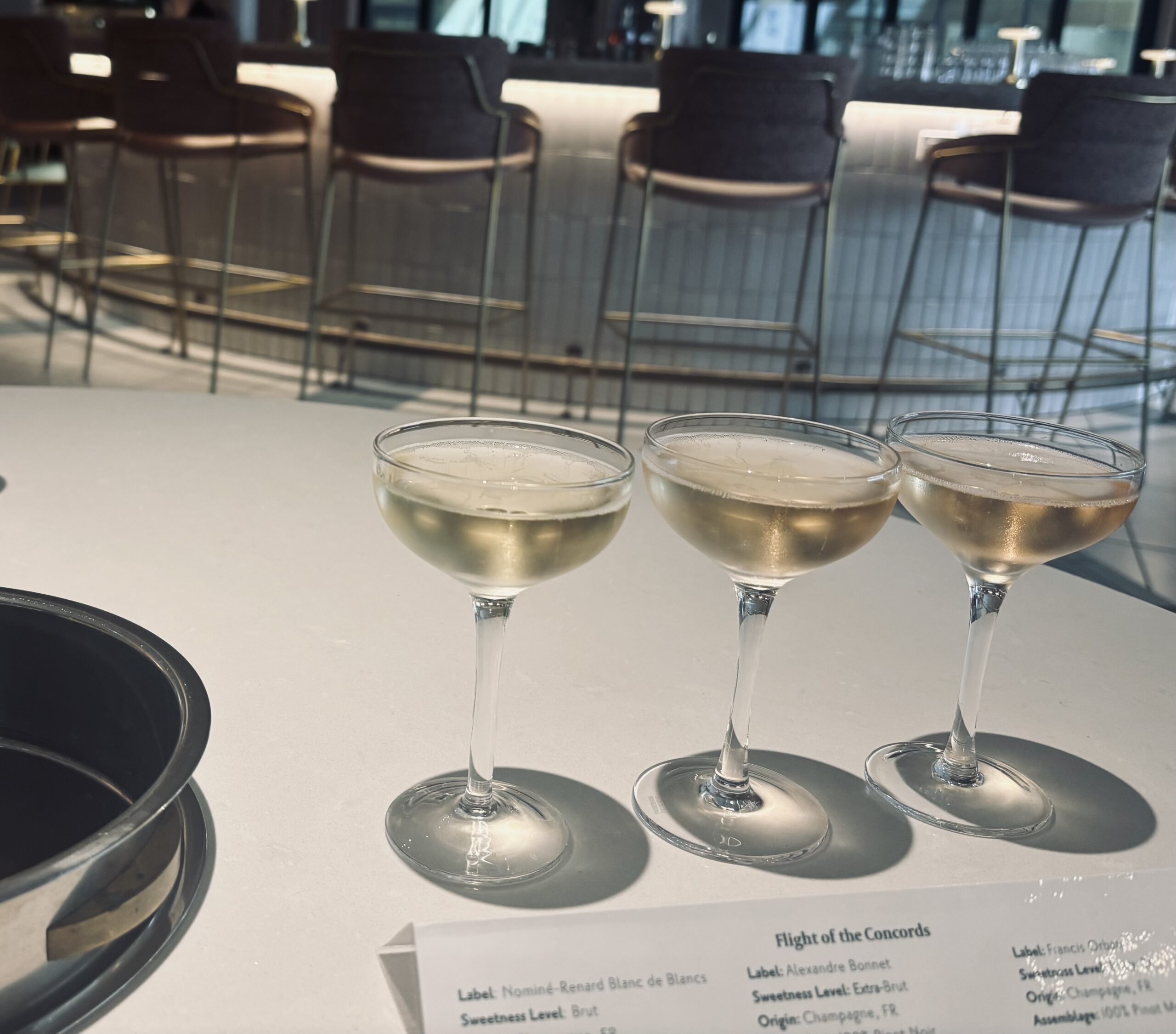
For much of Champagne’s history, Pinot Meunier played a quiet supporting role. It was the reliable blending partner—valued for its resilience in the vineyard and its ability to soften the sharper edges of Pinot Noir and Chardonnay. But in recent years, more growers have begun to showcase Meunier on its own, revealing a side of Champagne that many drinkers have never fully explored.
Pinot Meunier thrives particularly well in the Vallée de la Marne, where clay-rich soils and slightly warmer vineyard sites allow the grape to ripen more consistently than its counterparts. This reliability has long made it attractive to growers. Historically, however, it was often used simply to add fruitiness and approachability to blends. Today, a new generation of producers is highlighting Meunier as a single-varietal Champagne, allowing its distinct character to stand on its own.
When bottled as a single varietal, Pinot Meunier tends to express a style that is both generous and approachable. Instead of the piercing citrus often associated with Chardonnay, Meunier leans toward orchard fruit—apple, pear, and sometimes stone fruit—paired with softer acidity and a rounder texture. There is often a subtle earthy or almond-like note on the finish that adds complexity and structure.
In the glass, these Champagnes can feel particularly balanced and smooth, especially when produced in extra-brut styles, where lower dosage allows the grape’s natural character to shine. Aromatically, it’s not unusual to find notes reminiscent of fresh apples and even bread dough, giving the wine a comforting, almost rustic elegance.
There is also a growing economic and philosophical dimension to this movement. Single-varietal Meunier Champagnes emphasize vineyard identity and terroir, aligning with the broader grower-Champagne trend toward transparency and authenticity. For producers, these wines can create exclusivity and elevate land value—but they also carry risks, since relying on one grape variety leaves less flexibility in difficult vintages.
Ultimately, Pinot Meunier on its own tells a different story about Champagne: one that is fruit-forward, textured, and deeply tied to place. For anyone interested in understanding the full spectrum of Champagne, these wines are worth seeking out.